Why did you start UCL's This Girl Can Campaign Week?
Project Active is our beginner friendly mass participation programme aiming to engage underrepresented students groups in physical activity. The programme has a particular focus on engaging postgraduate students and women of the global majority.
This year we aim to engage 5000+ students through our weekly classes, learn to programmes, pay and play sessions and mass participation events.
We choose to deliver an annual This Girl Can Campaign Week because we recognise that many women face significant barriers to participating in sport and physical activity.
At UCL, we have a large and diverse international student community, and we saw a particular need to better support and engage inactive female students from global majority backgrounds.
Our aim was to create a welcoming, inclusive environment where women feel comfortable trying something new, building confidence, and connecting with others. By addressing these barriers directly, we hope to empower more women to get active in a way that feels safe, supportive, and enjoyable for them.
How did you understand what people wanted?
We took a participant-led approach to understanding what female students at UCL wanted and needed. This included gathering feedback through surveys, informal conversations, and engagement with student groups, particularly those representing global majority communities.
We also drew on insights from previous Project Active sessions and attendance data to identify patterns in participation and barriers to entry.
What we consistently heard was that many women were looking for beginner-friendly opportunities, women-only spaces, and activities that prioritised fun, social connection, and wellbeing over performance.
Flexibility, affordability, and clear communication were also key factors.
Using this insight, we shaped the This Girl Can Campaign Week to reflect those needs, offering inclusive, accessible sessions, creating supportive environments, and ensuring our messaging spoke directly to those who may not traditionally see themselves as ‘sporty’ or active.
How did you promote your activities?
We used a multi-channel approach to promote the campaign. This included Union social media accounts, emails and newsletters all designed with inclusive and relatable messaging to appeal to women who may not typically engage with sport.
We also worked closely with TeamUCL Sports Clubs and the Women's Society to share the campaign through trusted channels and peer-to-peer communication. Collaborating with these groups helped us reach students in a more authentic and meaningful way.
On campus, we used eye-catching physical promotion such as digital screens in high-traffic areas. Throughout, we ensured our messaging focused on accessibility, enjoyment, and creating a welcoming environment, rather than performance or competition, to encourage more women to take that first step into being active.
Impact
In this years This Girl Can campaign week we engaged 422 people overall. Of that:
- 269 had not previously engaged with Project Active
- 76 had not previously engaged with Project Active or were members of a TeamUCL Sports Club.
How did you overcome challenges?
One of the main challenges we faced when launching UCL's This Girl Can Campaign Week was low engagement in previous years. It was difficult to attract students who didn’t already see themselves as “sporty,” and many were hesitant to try something new, especially in more traditional fitness environments.
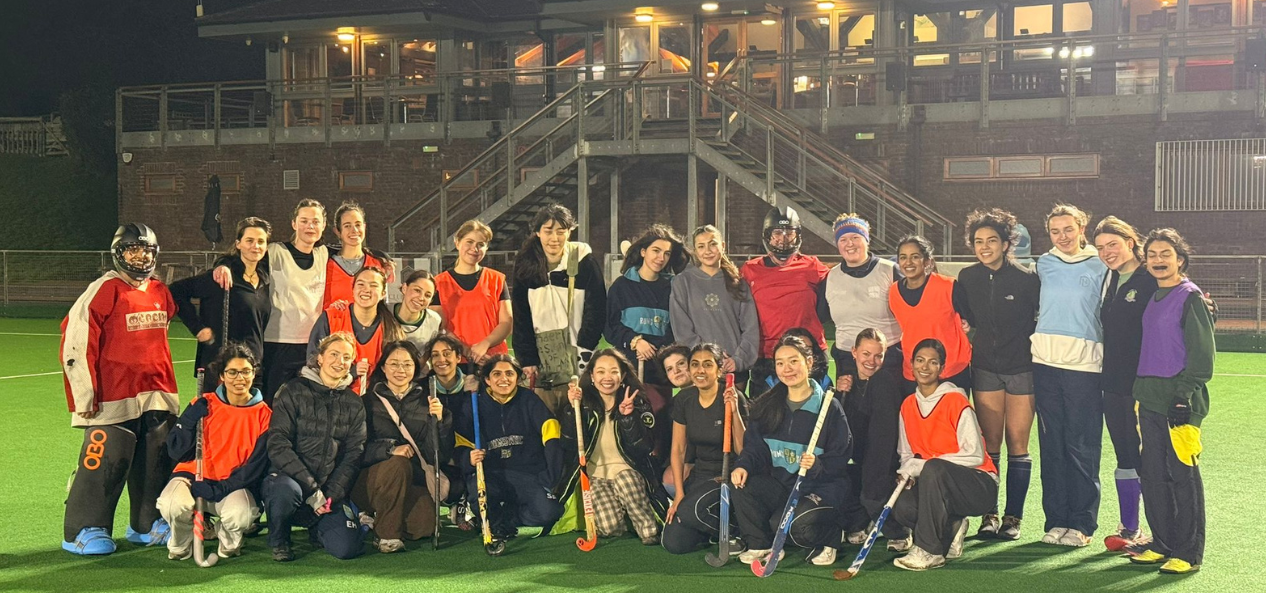
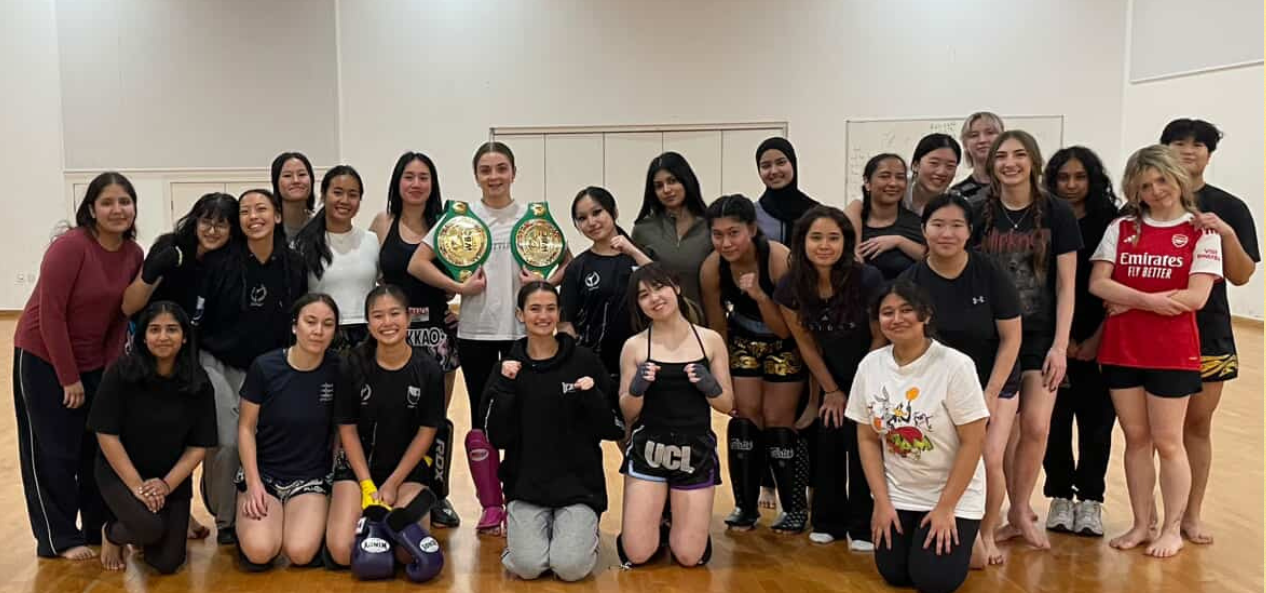
To overcome this, we worked closely with sports clubs to deliver free taster sessions. This allowed students to try activities in a low-pressure, no-cost environment, making it much more accessible and less intimidating.
We also introduced one-off activities that aren’t usually part of our regular programme, which helped spark curiosity and gave students a unique reason to get involved.
Another key initiative was hosting a “Girls Night In” event in the gym. This created a more relaxed and social atmosphere, helping to break down the stigma around gym spaces and encouraging participation from those who might not normally attend.
By focusing on fun, community, and inclusivity rather than performance, we were able to create a more welcoming environment.
Overall, by diversifying our offer, collaborating with clubs, and rethinking how we present physical activity, we were able to address engagement challenges and reach a wider audience. Each year our engagement numbers have increased.
What are your plans moving forward?
Moving forwards, our key focus is to expand our reach and engage more students who are not already members of sports clubs or have not previously participated in Project Active.
While the campaign has been successful in attracting those already somewhat engaged in sport, we recognise the need to better connect with completely new and underrepresented audiences.
To achieve this, we plan to strengthen our outreach by working more closely with non-sport societies, academic departments, and student networks to reach students who may not typically engage with physical activity initiatives.
In addition, we plan to enhance our marketing by using more relatable student-led content and targeted messaging that speaks directly to those who may feel that sport “isn’t for them.”
Creating a strong sense of community and belonging will remain central to our approach.
Overall, our aim is to make the initiative more inclusive, visible, and accessible, ensuring it continues to evolve in a way that reaches and resonates with a broader range of students.
Top Tip
Our top tip would be to prioritise inclusivity from the very start. Focus on creating a welcoming, low-pressure environment that appeals not just to those who are already active, but especially to those who may feel intimidated or unsure about taking part.
This means offering beginner-friendly sessions, removing cost barriers where possible, and using relatable, student-led messaging.
It’s also really valuable to collaborate, working with sports clubs, societies, and different student groups can help you reach a much wider and more diverse audience.
Finally, don’t be afraid to try something different. Introducing fun, one-off or social activities can make your initiative stand out and encourage people to give it a go who otherwise wouldn’t engage.
How does the work of Student Union UCL embody the action area 'Safe'?
We feel this initiative most closely embodies the Safe action area, as creating a comfortable and non-intimidating environment was central to its design. A key barrier to participation is often the perception that sport and gym spaces can feel intimidating or exclusive, particularly for those who are new to physical activity.
Through initiatives such as beginner-friendly taster sessions, women-only spaces, and our “Girls Night In” gym event, we aimed to create an atmosphere where participants felt physically and emotionally safe to take part without fear of judgement.
By removing cost barriers and emphasising participation over performance, we also reduced pressure and helped individuals feel more at ease trying something new.
In addition, working closely with sports clubs and facilitators ensured sessions were supportive, inclusive, and welcoming to all ability levels.
This helped build trust and encouraged students to step outside of their comfort zones in a safe and positive way.
Overall, by prioritising accessibility, reassurance, and a judgement-free environment, the initiative helped participants feel secure and confident engaging in physical activity.